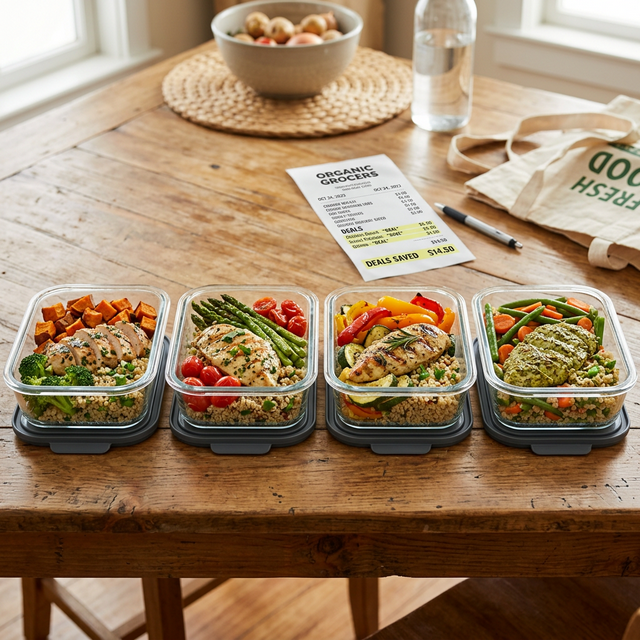

If your grocery bill feels out of control, you are not alone. How to Meal Prep Using Grocery Store Deals is packed with clear, step-by-step budget meal planning that show you exactly how to shop smarter, cut food costs and still enjoy meals you truly look forward to.
In this guide on budget meal planning we walk through real-world examples, sample lists and mindset shifts you can start using on your very next trip, whether you prefer classic supermarkets, warehouse clubs or online grocery delivery.
Table of Contents
- Why It Pays to Master Budget Meal Planning
- Planning Your Grocery Strategy Before You Shop
- In-Store Tactics and Smart Swaps
- Using Apps, Data and Tech to Save
- Family and Lifestyle Considerations
- Putting It All Together
- Frequently Asked Questions
Why It Pays to Master Budget Meal Planning
Groceries are one of the most flexible line items in your monthly budget. By dialing in budget meal planning you can free up hundreds of dollars a year without feeling like you are living on instant noodles or skipping favorites entirely.
Instead of chasing every coupon or promotion, the goal is to build a repeatable system: you learn your household’s real consumption patterns, compare unit prices and build a short list of go-to meals that rely on discounted ingredients.
Key Reasons to Take Grocery Savings Seriously
- Groceries recur every single week, so even small wins compound into major annual savings.
- Unlike fixed bills, you control when, where and how you shop – which opens the door to fast, practical optimizations.
- Better planning leads to less food waste, fresher meals and a calmer kitchen routine.
Planning Your Grocery Strategy Before You Shop
Effective budget meal planning always starts before you step into a store or open an app. Fifteen minutes at home with your pantry doors open can save far more than an hour spent wandering aisles or refreshing deal feeds.
Build a Quick Pre-Shop Routine
- Review your calendar so your grocery list matches real meals, not wishful thinking.
- Check the fridge, freezer and pantry to prioritize ingredients that need to be used first.
- Skim store flyers or apps for a handful of strong deals and base two or three meals around them.
- Write a categorized list (produce, pantry, dairy, frozen) to reduce backtracking and impulse grabs.
As you repeat this process you will see patterns: certain staples run out at the same time, some “deal” items never get used and a few cheap family meals quickly become family favorites that deserve a permanent spot on your meal plan.
In-Store Tactics and Smart Swaps
Once you arrive at the store, your goal is to execute the plan you built at home. That means sticking to the list most of the time, but also being flexible enough to swap in an unadvertised markdown when it fits your overall budget.
Practical Swaps That Cut Costs Without Sacrifice
- Choose store brand basics like oats, rice, flour and canned tomatoes when ingredient lists match name brands.
- Swap pre-cut produce, shredded cheese and single-serve snacks for whole versions you portion yourself at home.
- Buy versatile proteins – like whole chickens, ground meat or tofu – that work across multiple recipes in the same week.
- Reach for frozen fruits and vegetables when fresh versions are expensive or out of season.
By pairing these habits with budget meal planning you turn the grocery store into a place where you are firmly in control. You are no longer reacting to end-cap displays or last-minute cravings; you are executing a plan.
Using Apps, Data and Tech to Save
Technology can quietly supercharge your savings strategy. Price comparison apps, store loyalty programs and cashback tools all bring extra context to the decisions you already make every week.
Simple Ways to Add Smart Tech to Your Routine
- Use a shared digital list so everyone in your household can add items as they run low.
- Clip digital coupons inside your preferred store app before you shop, then scan your loyalty card at checkout.
- Submit your receipt to a cashback or points app that rewards specific brands or categories you already buy.
- Experiment with pickup orders to reduce in-store temptations while still accessing weekly promotions.
Family and Lifestyle Considerations
Every household approaches budget meal planning slightly differently. A single person in a small apartment, a busy family of five and a couple who travels often will naturally build different grocery systems.
Adapting These Ideas to Your Reality
- If you cook for one or two, focus on ingredients that freeze well and recipes designed for leftovers.
- Families can assign simple jobs to each person, like checking staples, packing lunches or chopping veggies on prep day.
- Shift your routine as seasons, school schedules or work patterns change so your system always matches real life.
Putting It All Together
The most successful budget meal planning systems are simple, flexible and repeatable. You do not need color-coded binders or extreme couponing habits to see real progress – you just need a clear plan you can stick with most of the time.
Pick one or two ideas from this article to try this week. Maybe you finally compare unit prices on your top ten items, or commit to one big meal prep session built around current sale ingredients. Next week, layer on a new habit until your entire grocery routine feels calmer and more cost conscious.
Conclusion
Over time, these small adjustments turn into hundreds of dollars in savings and a kitchen that truly works for you. With a thoughtful approach to budget meal planning you can keep eating well, reduce stress around mealtimes and redirect your hard-earned money toward the goals that matter most.
Frequently Asked Questions
How do I plan a weekly menu on a budget?
Start with a rough budget, plan around sales flyers and pantry items you already own, then build simple, repeatable meals your family enjoys.
What are the best cheap staples for meal planning?
Rice, pasta, oats, beans, lentils, frozen vegetables, eggs and canned tomatoes all stretch into many low-cost, filling meals.
How far in advance should I meal prep?
Most people benefit from prepping 3–4 days at a time for freshness, then doing a midweek top-up or second prep session if needed.
{“@context”:”https://schema.org”,”@type”:”FAQPage”,”mainEntity”:[{“@type”:”Question”,”name”:”How do I plan a weekly menu on a budget?”,”acceptedAnswer”:{“@type”:”Answer”,”text”:”Start with a rough budget, plan around sales flyers and pantry items you already own, then build simple, repeatable meals your family enjoys.”}},{“@type”:”Question”,”name”:”What are the best cheap staples for meal planning?”,”acceptedAnswer”:{“@type”:”Answer”,”text”:”Rice, pasta, oats, beans, lentils, frozen vegetables, eggs and canned tomatoes all stretch into many low-cost, filling meals.”}},{“@type”:”Question”,”name”:”How far in advance should I meal prep?”,”acceptedAnswer”:{“@type”:”Answer”,”text”:”Most people benefit from prepping 3–4 days at a time for freshness, then doing a midweek top-up or second prep session if needed.”}}]}
Related Budget Meal Planning Articles